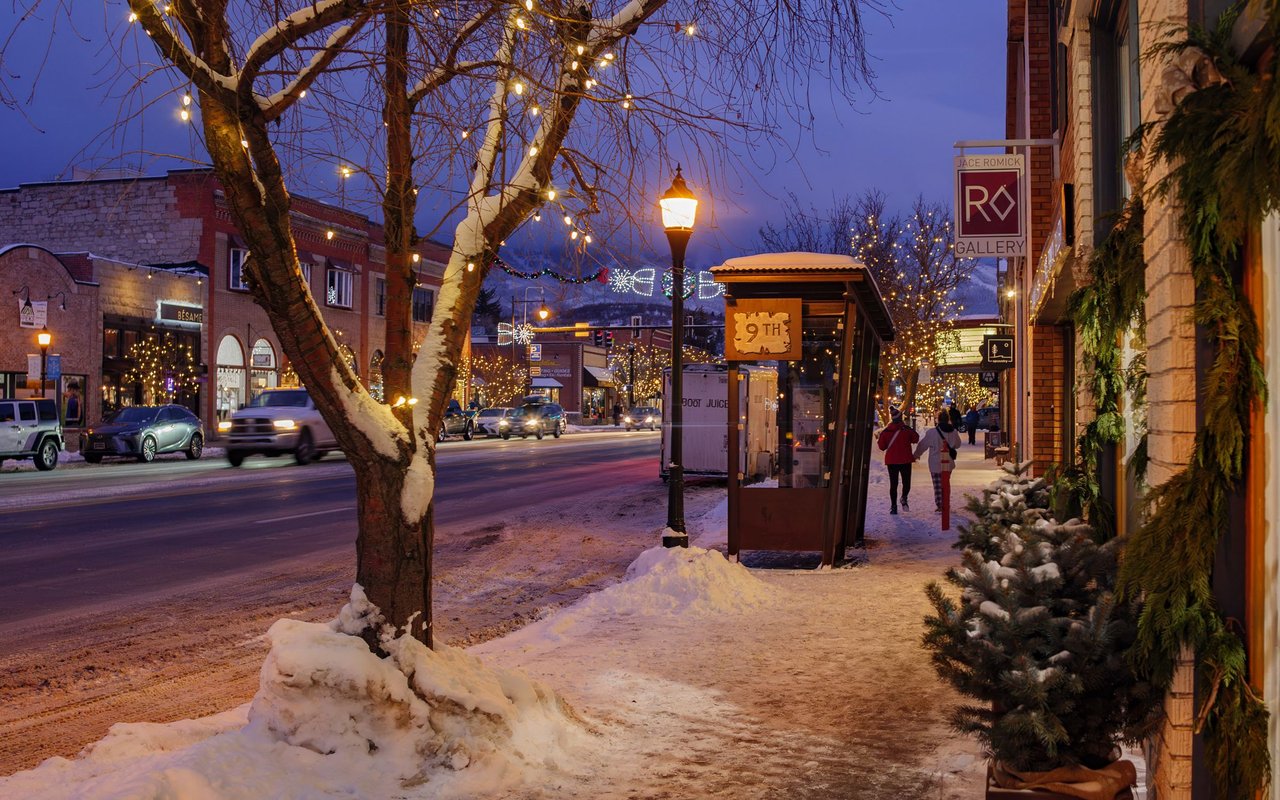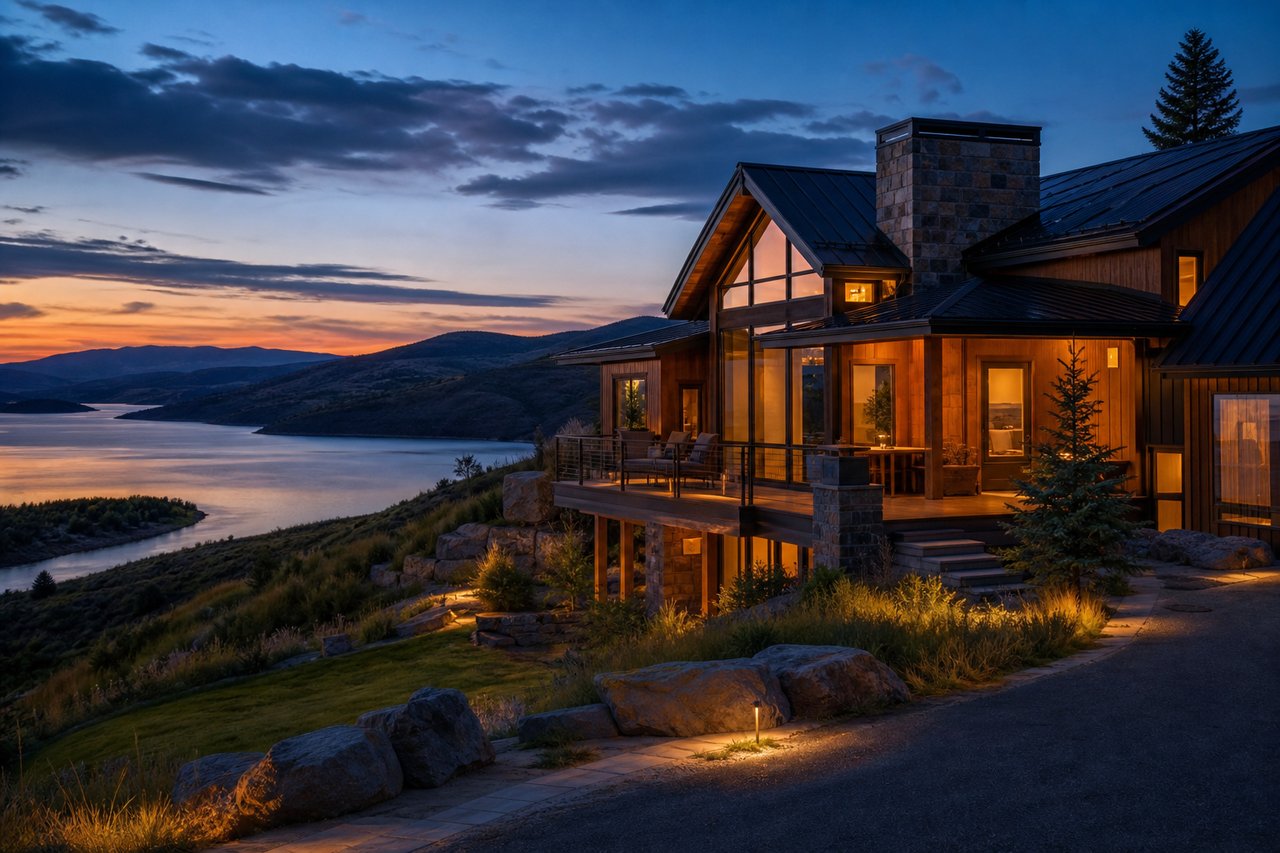
Stagecoach, Colorado offers nature-forward vacation homes centered around an 820-acre reservoir in unincorporated Routt County. Properties here are best suited to personal use and monthly-plus leases, short-term nightly rentals are prohibited without special county approval under Routt County Ordinance 2024-001.
What should buyers know about vacation homes in Stagecoach, Colorado?
Stagecoach, Colorado is an unincorporated, recreation-oriented community in Routt County built around an 820-acre reservoir, offering a quieter, nature-forward alternative to in-town Steamboat Springs. Short-term nightly rentals (under 30 days) are prohibited in unincorporated Routt County without a special or conditional use permit under Routt County Ordinance 2024-001, so Stagecoach vacation homes are best suited to personal use, second-home living, and monthly or seasonal leases rather than high-turnover Airbnb-style income.
Key Takeaways
- Short-term rentals (under 30 days) are prohibited by default in unincorporated Routt County, including Stagecoach, unless a special or conditional use permit has been issued or the property sits in a planned unit development that expressly allows them.
- Stagecoach is centered on an 820-acre reservoir used for boating and fishing, surrounded by mountain terrain and large preserved open-space tracts, the core draw for vacation-home buyers here is nature access, not ski-resort walkability.
- Monthly and seasonal leases of 30 days or more are permitted, giving owners a legal path to offset carrying costs without nightly-rental exposure.
- Routt County has designated Stagecoach a Tier 2 targeted growth area, signaling planned residential expansion, including townhomes, condos, and large-lot estate parcels, that will shape the community's character over the next decade.
- Stagecoach properties fall under county zoning (Stagecoach Mountain Residential and related districts), not city rules, which means different dimensional standards, HOA layers, and utility infrastructure than in-town Steamboat homes.
What makes Stagecoach different from other Steamboat-area vacation home markets?
Stagecoach sits roughly 20 miles southeast of Steamboat Springs, and that distance buys you something most mountain resort communities can't offer: genuine quiet. No gondola lines, no après-ski crowds, no commercial strip. What you get instead is direct access to Stagecoach Reservoir, an 820-acre body of water used for boating, fishing, and paddling, plus rolling hills, mountain slopes, and large tracts of open land planned specifically for recreation-oriented living.
Because Stagecoach is unincorporated, it falls under Routt County zoning rather than any city's municipal code. That's a meaningful distinction. In-town Steamboat has STR overlay zones, mixed-use districts, and city-level permit systems. Stagecoach has the Stagecoach Mountain Residential (SMR) zone, which is designed for residential and recreation-oriented development and explicitly notes that commercial uses are generally not appropriate within the district. If you're comparing a Stagecoach cabin to a Steamboat ski condo, you're comparing two fundamentally different regulatory environments.
I walk buyers through this tradeoff regularly. Stagecoach gives you more land, more solitude, and reservoir access. Steamboat gives you walkability to ski amenities, restaurants, and, where permitted, legal STR income potential. Neither is better; they serve different buyers with different goals. For a deeper look at how the second-home decision plays out across the broader Yampa Valley, my second-home buyer's guide for 2026 covers the full picture.
Property types you'll find (and what's coming)
Right now, Stagecoach's inventory skews toward single-family homes on larger lots, with some townhome and condo options. That mix is evolving. Planning documents for the Stagecoach Mountain Ranch project describe a concept that includes large-tract lots of 35 acres or more, single-family lots served by the Morrison Creek Metropolitan Water and Sanitation District, and multifamily properties including townhomes and condominiums, with roughly 80% of units envisioned on the mountain property and 20% on lakefront parcels.
The county has also rezoned certain Stagecoach parcels from High Density Residential to Mountain Residential Estate, reflecting a shift toward lower-density, larger-lot character in parts of the area. That matters if you're prioritizing privacy and views over a walkable neighborhood feel. You can read more about Stagecoach's overall real estate landscape in my post on life by the reservoir.
Practical lifestyle details buyers often overlook
A few things I always flag with Stagecoach buyers that don't show up in a listing description:
- HOA and metro district layers. Many properties are subject to homeowners' associations and the Morrison Creek Metropolitan Water and Sanitation District. Factor those fees and service expectations into your carrying-cost math before you fall in love with a price point.
- Seasonal access. Winter road conditions, snow removal responsibilities, and steep driveways are real considerations here. Ask about access before you commit.
- Wildlife. Elk, deer, and other wildlife sightings are a genuine lifestyle feature for many buyers, and a practical consideration for landscaping and fencing.
- Market dynamics differ from Steamboat. Stagecoach pricing and days-on-market trends can diverge meaningfully from in-town Steamboat, largely because STR restrictions reduce the investor-buyer pool. Don't assume the same dynamics apply.
What are the short-term rental rules for Stagecoach vacation homes?
This is the question I get most often from out-of-state buyers, and the answer is direct: short-term rentals are prohibited by default in unincorporated Routt County. The Routt County STR handout defines a short-term rental as renting a dwelling unit for less than one month and states that such rentals are "currently prohibited in unincorporated Routt County except in areas zoned Commercial or where a permit has been issued for a use such as a bed and breakfast or guest ranch."
Ordinance 2024-001 reinforces this: it is unlawful to lease, advertise, or permit leasing of any short-term rental in unincorporated areas without county approval. Any authorized STR listing must display the Routt County permit or approval number. The Routt County Uses by Zone District table confirms STRs are only considered where permitted under specific zoning conditions, and in most Stagecoach-area districts, that approval is not automatic.
There is a meaningful exception worth knowing: the county distinguishes between renting for less than 30 days (prohibited without approval) and renting for one month or more. Monthly and seasonal leases are permitted. That opens a real path for owners who want to offset carrying costs, think multi-month summer stays, a full ski-season lease, or a work-from-anywhere tenant for a shoulder season. It's not Airbnb income, but it's a legitimate strategy that I've helped several Stagecoach clients think through.
If nightly rental income is central to your investment thesis, Stagecoach is probably not the right fit. For a frank look at where STR investing does and doesn't pencil out in this market, my 2026 STR investor's read goes deep on that question.
What Stagecoach's Tier 2 growth designation means for buyers
Routt County has identified Stagecoach as a Tier 2 targeted growth area for future development, according to reporting from the Steamboat Pilot and Today. Tier 2 means the county sees the area as appropriate for additional housing and infrastructure, but not at the same intensity as Tier 1 areas like Steamboat Springs itself.
In plain terms: Stagecoach will grow, but it won't become a dense resort town. The planning framework, including the Stagecoach Community Plan and the SMR zoning district, is designed to channel that growth into clustered residential development while preserving large open-space tracts. The Stagecoach Mountain Ranch concept envisions 5,318.6 acres of preserved functional open space alongside its residential units. That's a meaningful commitment to the community's nature-forward character.
For buyers, the Tier 2 designation cuts both ways. It means more neighbors and more services over time, which can support values. It also means the area won't stay as raw and undeveloped as it is today. If you're buying specifically for seclusion, buy sooner rather than later, and buy with eyes open about what's planned around you. That's exactly the kind of site-specific due diligence I help buyers work through before they make an offer.
Feature | Stagecoach | In-Town Steamboat Springs |
|---|---|---|
Jurisdiction | Unincorporated Routt County | City of Steamboat Springs |
Short-Term Rentals | Prohibited without special/conditional use permit | Permitted in designated overlay zones with city permit |
Monthly/Seasonal Leases | Permitted (30+ days) | Permitted |
Primary Zoning | Stagecoach Mountain Residential (SMR), Mountain Residential Estate | City zoning with mixed-use and STR overlay districts |
Setting | Reservoir, mountain terrain, large open-space tracts | Ski resort access, walkable downtown, commercial amenities |
Growth Designation | Tier 2 targeted growth area | Tier 1 (highest-intensity planning area) |
Frequently Asked Questions
Can I legally use a Stagecoach home as an Airbnb or short-term rental?
No, not without county approval. Short-term rentals (under 30 days) are prohibited in unincorporated Routt County unless the property is in a planned unit development that expressly allows them or a special/conditional use permit has been issued. Operating or advertising an STR without that approval violates Routt County Ordinance 2024-001. Monthly and seasonal leases of 30 days or more are permitted and represent the more realistic income strategy for Stagecoach owners.
How do Routt County's STR rules affect second-home buyers near Stagecoach Reservoir?
They shift the calculus significantly. Because nightly rental income isn't available without special approval, Stagecoach attracts buyers who plan to use the property personally and potentially offset costs through longer-term leases, rather than investors chasing Airbnb yields. That affects both the buyer pool and the pricing dynamics, which can diverge from in-town Steamboat's market. If STR income is part of your plan, confirm the specific parcel's zoning and any existing permits before making an offer.
If I can't rent nightly, can I still rent my Stagecoach home for month-long or seasonal stays?
Yes. The Routt County STR handout explicitly states that properties in unincorporated Routt County can be rented for a term of one month or more. That means a full-summer lease, a ski-season rental, or a multi-month work-from-anywhere arrangement are all viable options. It's a different income model than nightly turnover, but it's a legitimate one that many Stagecoach owners pursue.
What does Stagecoach's Tier 2 growth designation mean for how the community will feel over time?
Tier 2 means Routt County has identified Stagecoach as appropriate for additional housing and infrastructure, but at lower intensity than Steamboat Springs itself. New projects like Stagecoach Mountain Ranch are designed to cluster development while preserving large open-space tracts, so the area will grow but is not planned to become a dense resort town. Buyers who prioritize seclusion should understand what's planned in their immediate area before purchasing.
What kinds of properties are available (or planned) in Stagecoach for vacation use?
Current inventory includes single-family homes on larger lots, with some townhome options. Planned development under the Stagecoach Mountain Ranch concept includes large-tract parcels of 35 or more acres, conventional single-family lots, and multifamily properties including townhomes and condominiums. The county has also rezoned some parcels toward Mountain Residential Estate character, favoring lower-density, larger-lot development. The mix gives buyers options ranging from estate-style privacy to more conventional lock-and-leave vacation homes near recreation access.
Stagecoach is one of the more nuanced markets in the Yampa Valley, the STR rules, the evolving zoning, and the Tier 2 growth framework all interact in ways that matter a lot to a vacation-home purchase. I've worked with buyers across this area for over seven years, and the details that seem like fine print often end up being the deciding factor. If you're seriously considering a property here, let's talk through what's actually available and what fits your goals. Schedule a consultation and we'll start with the specifics of your situation.
Equal Housing Opportunity. Cole Helberg, Colorado License #FA.100079634, Real Broker. Member of NAR, Colorado Association of REALTORS®, and Altitude Association of REALTORS®. This article is general information only and does not constitute legal, tax, or financial advice. Confirm zoning, STR permit status, and carrying costs with your closing agent, tax advisor, and lender before purchasing.