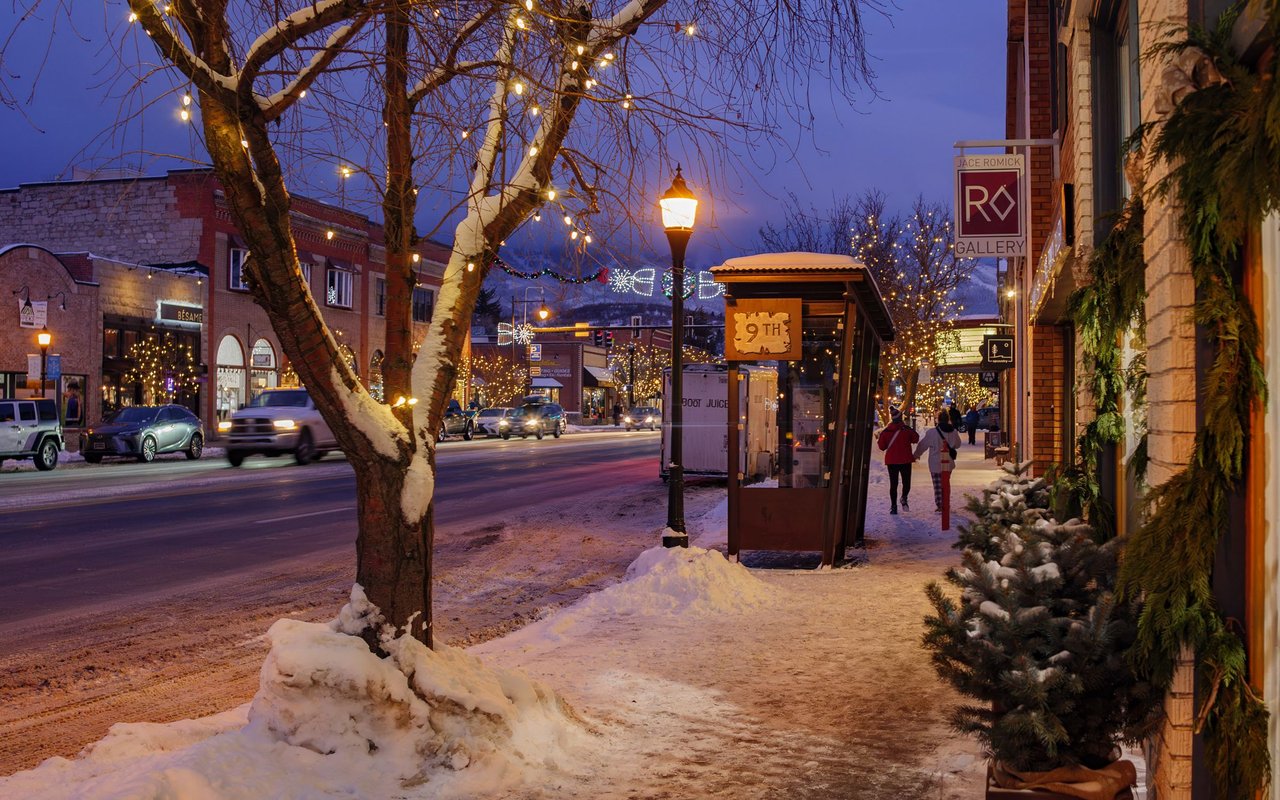
Homeowners insurance for Steamboat properties is not the same as insurance for a suburban home in Denver or Dallas. Mountain-town properties have specific risks that insurers price differently, and in the last few years the market has tightened significantly. Here's what you should know as a buyer or owner.
What's Different About Mountain-Property Insurance
Wildfire exposure. The biggest factor. Colorado and Western Slope wildfire risk has driven major changes in insurance markets. Some insurers have exited or reduced coverage in high-risk areas.
Distance from fire service. Rural properties often carry higher premiums because response time is longer.
Snow load and freeze damage. Roof structures need to handle heavy snow. Frozen pipe damage is a real risk in vacant second homes.
Wildlife damage. Bears, elk, moose can damage structures. Some policies cover, some don't.
Rebuild costs are high. Mountain construction runs 20-40% above flatland costs. Underinsuring a rebuild is a real risk.
Deductibles for specific perils. Wildfire deductibles, wind/hail deductibles, and other peril-specific deductibles are sometimes separately structured.
What Coverage You Actually Need
Standard homeowners (HO-3 or similar): Covers the dwelling, contents, liability. Mountain-specific policies often require add-ons.
Wildfire coverage. Verify it's included, not excluded. Some policies have specific wildfire exclusions or high wildfire deductibles.
Flood coverage. Only through the National Flood Insurance Program (NFIP) or specific supplemental policies. Standard homeowners doesn't cover flood.
Umbrella liability. For higher-value properties, an umbrella policy of $1M-$5M in additional liability coverage is smart.
Sewer/septic backup. Often excluded from standard policies. Rural properties should verify coverage or add supplemental.
Vacant home / second home coverage. If the property sits vacant much of the year, standard policies may exclude damage. Vacation home policies address this.
Loss of use / additional living expenses. Covers your costs if the home is uninhabitable. Higher limits matter more in expensive markets.
For STR Properties
If you rent the property short-term:
Standard homeowners doesn't cover rental use. You need a landlord policy or rental-specific coverage.
Commercial-line policies for STR: Some carriers now offer specific STR policies. Others allow standard policies with a STR endorsement.
Guest liability. STRs generate guest-injury risk. Adequate liability coverage is essential.
Damage from guests. Standard policies often exclude guest damage. Consider specific short-term-rental damage coverage.
The Colorado Insurance Market in 2026
Reality: Colorado homeowners insurance has gotten more expensive and more restrictive.
- Major carriers have reduced exposure in wildfire-prone areas
- Some carriers have exited certain zip codes entirely
- Non-renewals happen more often than they used to
- Premium increases of 15-30% year-over-year have been common
- Deductibles have risen
What to expect on a Steamboat property:
- $2,500-$6,000+ annual premium for a typical Steamboat home
- Higher for rural or wildfire-exposed properties
- Higher for STR-operated properties
- Deductibles of $2,500-$10,000 common; wildfire deductibles sometimes higher
Shopping for Coverage
Get multiple quotes. Rates vary significantly by carrier for the same property.
Work with a local agent. Independent insurance agents in Colorado can shop across multiple carriers and know which ones actually write policies in your specific area.
Have current defensible space work documented. Some insurers reward or require documented mitigation.
Bundle if possible. Auto + home discounts can be meaningful.
Update coverage as property value changes. Rebuild costs have risen. Coverage limits from 5 years ago may be inadequate today.
What to Do Before Closing
Get insurance binders early. Ideally within a week of contract. Some properties surprise you with high premiums or coverage limitations.
Verify the property is insurable. In extreme cases, insurance may be difficult or expensive enough to affect your purchase decision. Better to know before removing contingencies.
Understand the deductibles. Wildfire deductibles specifically can be substantial.
Confirm coverage adequacy. Compare rebuild cost estimates to coverage limits.
For Current Owners: Annual Insurance Review
Do this every year:
- Compare renewal premium to market. Get 1-2 competing quotes.
- Review coverage limits. Are they adequate for current rebuild costs?
- Update deductibles. Higher deductibles reduce premium but increase your exposure.
- Verify any mitigation credits. Have you done defensible space work that entitles you to discounts?
- Check policy exclusions. Insurers sometimes add exclusions at renewal. Understand what's excluded.
- Confirm STR coverage if applicable.
Working With Your HOA (If Condo or Townhome)
For condo and townhome owners:
Master policy vs. individual policy: The HOA carries a master policy covering common elements and often the building shell. You need individual HO-6 coverage for interior improvements, contents, and personal liability.
Coverage gaps between master and individual policies: Real issue. Understand what your master policy covers (walls-in vs. bare walls vs. building only) and buy individual coverage accordingly.
Loss assessment coverage: If your HOA has a loss, they can assess unit owners. Loss assessment coverage on your individual policy addresses this.
HOA premium impact on dues: HOA insurance costs are rising. Expect HOA dues to reflect this.
Common Insurance Mistakes
Underinsuring. Buying based on premium rather than adequate coverage.
Not shopping at renewal. Auto-renewing without checking market alternatives.
Ignoring exclusions. Assuming coverage exists when it doesn't.
Missing wildfire deductible. These can be huge. Read the policy specifically.
Not updating for renovations. Adding a garage or finishing a basement without updating coverage limits.
The Bottom Line
Insurance is a bigger deal in Steamboat than most out-of-state buyers realize. Get comfortable with the market before you buy. Work with a local independent agent. Review coverage annually. Don't underinsure.
If you need insurance agent referrals, message me. I work with several Colorado-based independent agents who write good coverage in Steamboat.